Your disc is hurt. Your life shouldn't have to be.
Most herniated discs heal without surgery. At Back in Motion in St. Augustine, Dr. Colby uses three modern non-surgical tools, focused shockwave, Class IV laser, and Back on Trac spinal decompression, together, to take the pressure off your nerve and let the disc calm down.

A herniated disc doesn't ask permission either.
It shows up bending to tie a shoe. Lifting a kid. Sleeping wrong. Getting out of the car. One morning the pain is just there, and it does not leave.
The good news: most herniated discs respond to care if you start early. Discs heal. Nerves calm down. Your body wants to repair itself. We help it do that, without surgery.
Tell us where it hurts. We'll show you the path forward.
Pick the area giving you trouble. We'll explain what's likely happening, how Dr. Colby will diagnose it, and what your treatment will look like.
Low Back · Lumbar
Low back pain is the most common reason patients walk through our door. The lumbar spine carries the most load and is the most likely region to fail.
Common Conditions
- Acute low back strain
- Chronic lumbar stiffness
- Herniated or bulging disc
- Degenerative disc disease
- Pain with standing or sitting too long
How We Diagnose It
Lumbar exam, neurological screen, range of motion testing, and digital X-rays when indicated.
How We Treat It
Lumbar adjustment, Back on Trac decompression for disc cases, modalities, and corrective movement.
Seven yes-or-no questions.
This is not a diagnosis. It is a quick check to see where you fall on the severity scale and what care usually responds.
If you have loss of bowel or bladder control, saddle numbness in your groin, or sudden severe weakness in a leg, that is a medical emergency called cauda equina syndrome. Do not book a chiropractic appointment. Go to the emergency room.
What a disc actually is. And what "herniation" actually means.
Think of a disc like a jelly donut. The outside is tough, the inside is soft. It sits between the bones of your spine and absorbs every step you take.
A "bulging" disc is when the outside wall pushes out a little, like a tire with low pressure. A "herniated" disc is when the jelly inside actually leaks through a tear in the outside wall. That leaking jelly presses on a nerve, which is why you feel pain in places that are not the back at all.
This is the part most people miss: the disc itself does not have many pain nerves. The pain you feel is mostly the nerve next to the disc complaining. Take the pressure off the nerve, and the pain calms down. That is what every tool in our office is built to do.
Each disc is composed of a sturdy outer wall and a soft, gel-like inner core. When we are born, these discs are primarily composed of water, but as age advances, the discs lose some of this water content and begin to get thinner. As you might imagine, this means each disc doesn't absorb the shocks of everyday life as well.
A disc, from healthy to healed.
Drag the slider to see what happens at each stage.
Three modern tools. One coordinated plan.
No single tool fixes a herniated disc. We use three, in the right order, for the right reasons.
Back on Trac Decompression
Take the pressure off the nerve.
Decompression is a slow, computer-guided stretch that creates negative pressure inside the disc. The disc, like a sponge, pulls fluid back in. The bulge can retract. The nerve gets room to breathe.
- 21 automated treatment protocols
- Axial distraction plus bilateral lateral flexion
- No belts, no harnesses
- Heat plus vibration therapy in the chair
Focused Shockwave (PiezoWave2T)
Wake up the healing.
Focused shockwave sends precise sound pulses deep into a single spot, not a broad area. The pulses tell the body: there is damage here. Send blood and healing cells now. It is non-invasive. No needles, no drugs, no surgery. Most patients feel a tapping sensation. Sessions are short.
We pair shockwave with decompression so the disc gets unloaded and the surrounding tissue gets stimulated to heal at the same time.
Class IV Laser Therapy
Calm the inflammation. Power up the cells.
Class IV laser uses higher-powered light than the smaller cold lasers most clinics carry. The deeper light reaches the disc and the nerve, not just the skin. The light wakes up energy production in your cells, which speeds up the body's own repair. Sessions are short, painless, and feel like gentle warmth.
Non-surgical care vs. injections vs. surgery.
The point isn't to bash surgery. The point is to show what the non-surgical path actually looks like.
| Focused Shockwave | Class IV Laser | Back on Trac | Steroid Injection | Microdiscectomy | Spinal Fusion | |
|---|---|---|---|---|---|---|
| Invasive? | No | No | No | Needle | Yes | Yes |
| Anesthesia? | No | No | No | Local | General | General |
| Session length | 10 to 15 min | 5 to 10 min | 20 to 30 min | 30 to 45 min | 1 to 3 hours | 2 to 6 hours |
| Course of care | 4 to 8 sessions | 6 to 12 sessions | 8 to 24 sessions | 1 to 3 injections | Single procedure | Single procedure |
| Time off work | None | None | None | 1 to 2 days | 2 to 6 weeks | 3 to 6 months |
| Repeatable? | Yes | Yes | Yes | Limited per year | Usually once | Once |
| Cost | TODO PETE | TODO PETE | TODO PETE | Varies by insurer | Varies, often $20K+ | Varies, often $60K+ |
| Best for | Stubborn soft tissue around chronic discs | Inflammation, disc-related pain, nerve irritation | Most lumbar and cervical disc herniations | Acute flare needing fast inflammation control | Severe herniation with progressive neurological loss | Disc collapse, instability, failed prior surgery |
TODO PETE Cost ranges for shockwave, laser, and decompression. Auto insurance and VA Community Care are covered when applicable.
What an actual disc plan looks like at our office.
1. Exam and on-site digital X-rays
Dr. Colby looks at the spine, the nerves, and the way you move. No guessing.
2. Imaging review
If you have an MRI, bring it. If you don't, Dr. Colby will tell you if you need one.
3. Diagnosis in plain words
You leave the first visit knowing exactly what's wrong.
4. Unload the nerve
Back on Trac decompression starts here. Usually 2 to 3 sessions per week to start.
5. Calm the inflammation
Class IV laser layered in to reduce swelling around the nerve.
6. Wake up healing in stubborn spots
Focused shockwave added when chronic tissue is in the way of progress.
7. Keep it from coming back
Corrective exercises and movement homework so progress sticks.
8. Re-check and graduate
Most patients move to maintenance, not lifelong care.
Corrective exercises are the use of bodily movements and/or postures to restore desirable changes in diseased or injured tissues. The corrective exercises are movement strategies that minimize or eliminate compensation. Corrective exercises should precede more integrated exercises, because they can cue the patient's motor system to respond in a more desirable way and assist in removing or improving biomechanical constraints.
TODO PETE Confirm typical session counts per phase before launch.
Realistic milestones. Not guarantees.
Pick the severity band from your self-check above to see what most patients in that range can expect.
TODO PETE Approve the timeline ranges per severity band before launch.
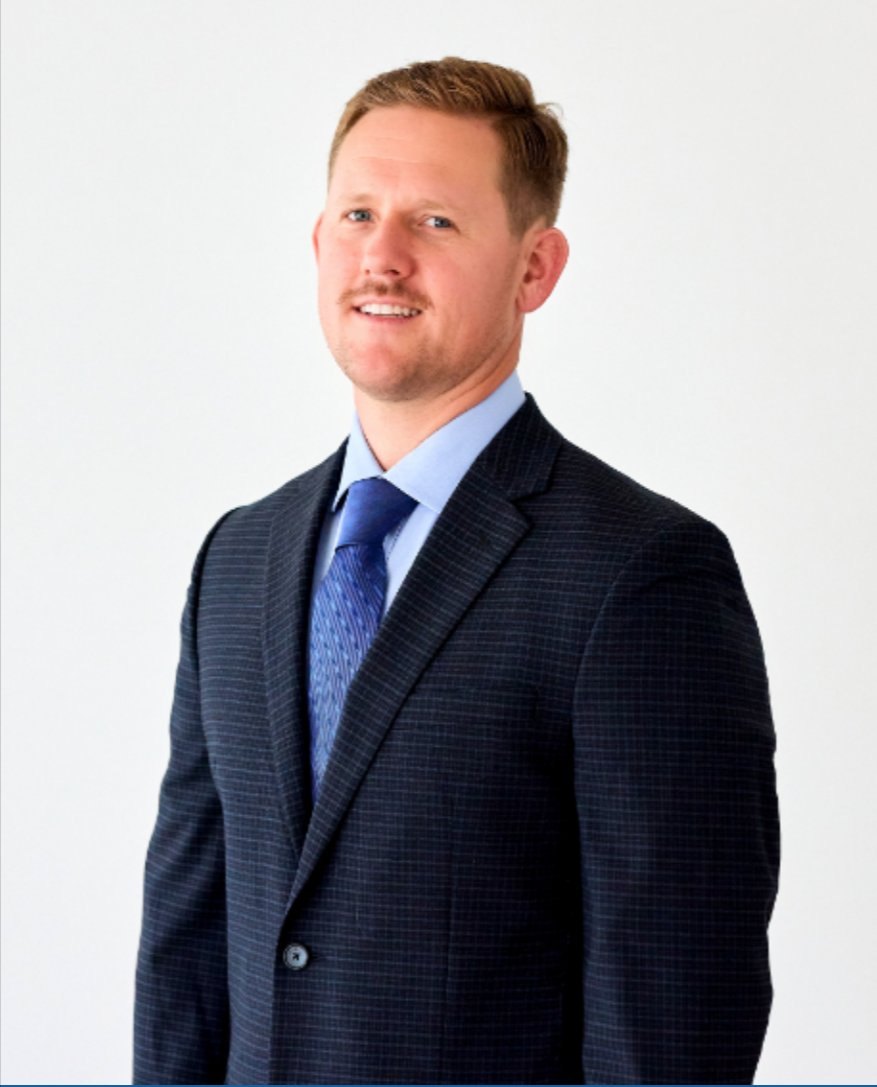

Dr. Colby Caltrider, D.C.
Palmer College graduate · OwnerDr. Colby grew up in active families and active towns. He went to Palmer College of Chiropractic, the oldest and most respected chiropractic school in the country, because he wanted to learn it from the source.
When someone walks in here in pain, my job isn't to sell them a package. My job is to figure out what's going on and get them moving again. That's it.
A note for our veterans with disc pain.
VA Community Care covers chiropractic. We have helped many vets work through service-connected disc and spine issues. Through the VA Health and Benefits App, eligible veterans can access 8 to 12 fully covered chiropractic treatments with Back in Motion.
Disc herniation questions.
Short, direct answers. If you have a question not here, send us a message.
A herniated disc is fixable. Most of the time. Without surgery.
Send us a message. We will get you on the calendar, look at what is going on, and build a plan in plain words.